
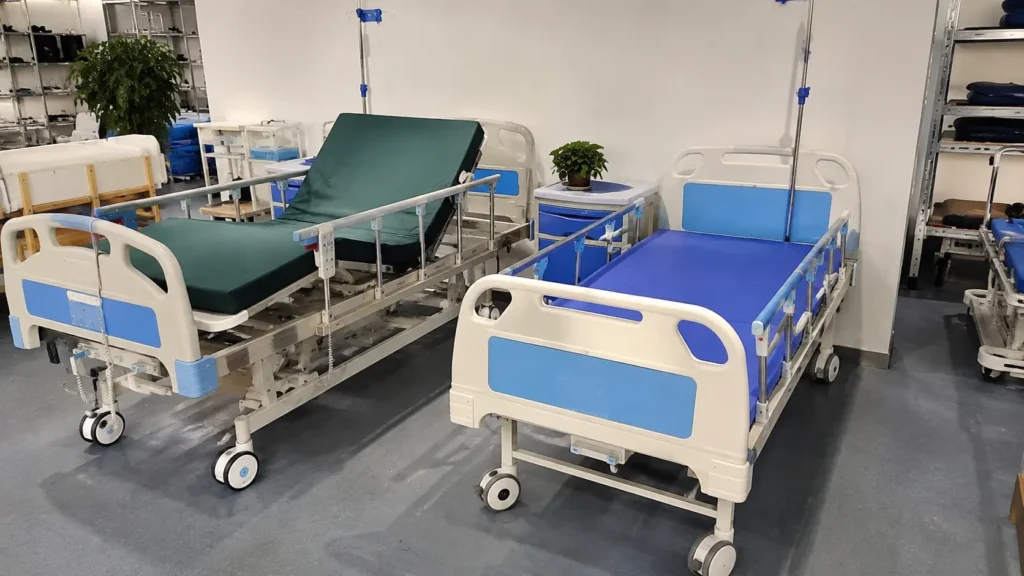
Short answer: choose an electric hospital bed when caregiver efficiency, patient comfort, frequent position adjustment and upgraded ward experience matter. Choose a manual hospital bed when budget, simple maintenance, electricity independence and basic ward use are more important. For many hospitals, clinics and nursing homes, the best procurement plan is not one or the other. It is a mixed purchase based on room type, patient needs and budget.
This guide compares electric vs manual hospital bed options from a practical B2B procurement angle. It is written for hospitals, nursing homes, clinics, rehabilitation centers, distributors and project buyers preparing an RFQ.
If you already know which bed type you need, you can review electric hospital bed options or manual hospital bed options directly. If you are still deciding, use the comparison below before requesting a quotation.
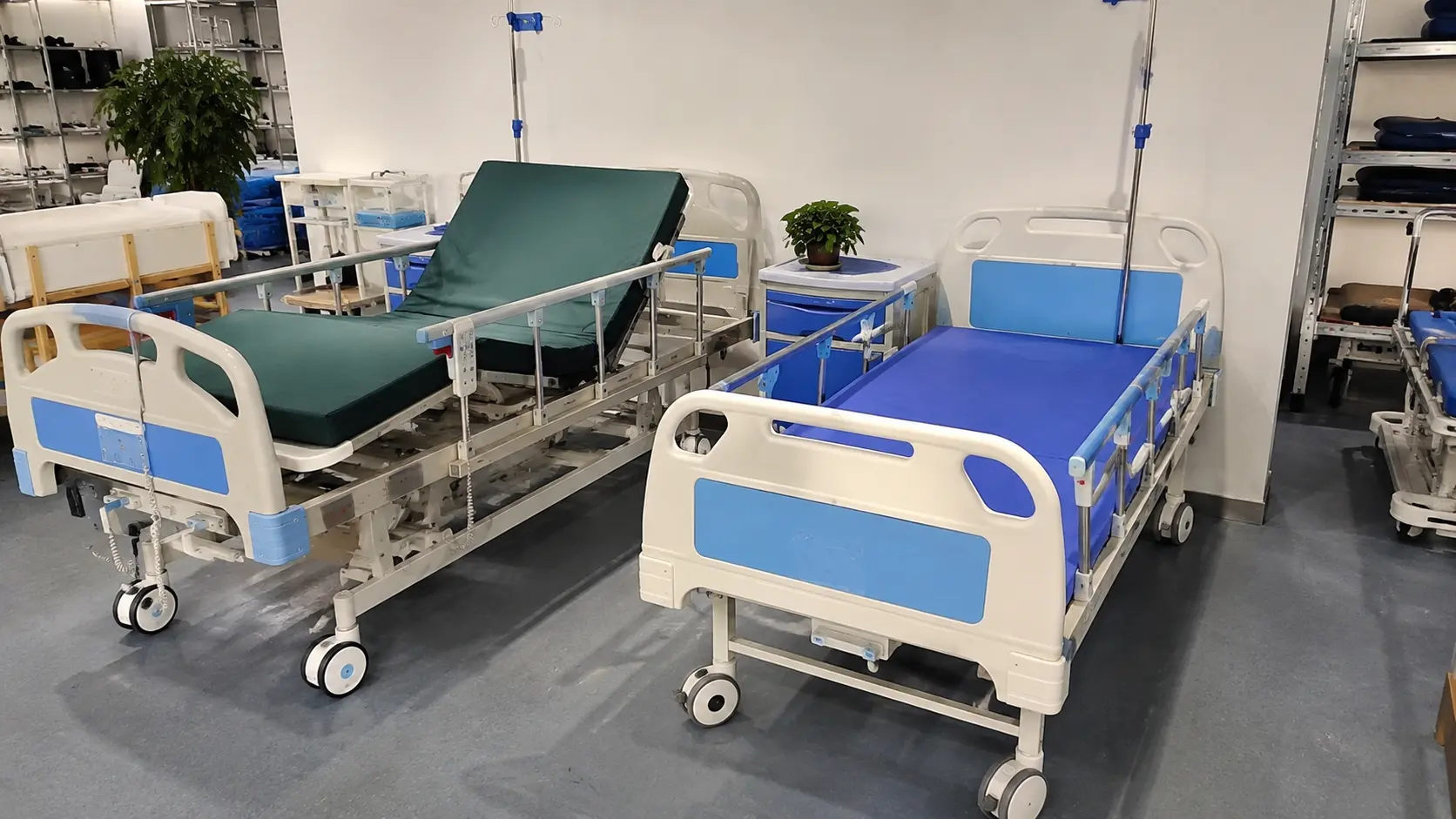
Electric vs Manual Hospital Bed: Quick Comparison
The main difference is how bed positions are adjusted. An electric hospital bed uses motors and a handset or control panel. A manual hospital bed uses hand cranks operated by caregivers or staff.
| Comparison Item | Electric Hospital Bed | Manual Hospital Bed |
|---|---|---|
| Adjustment method | Motorized adjustment by handset or control panel. | Hand crank adjustment by caregiver or staff. |
| Best use | Hospital wards, private rooms, nursing homes and higher-care facilities. | Basic wards, clinics, emergency stock and budget-focused projects. |
| Caregiver workload | Lower, especially when positions change frequently. | Higher, because staff must adjust cranks manually. |
| Patient comfort | Higher convenience for position changes. | Suitable for basic positioning needs. |
| Maintenance | Needs attention to motors, handset, cables and power supply. | Simpler mechanical maintenance. |
| Power requirement | Requires compatible voltage and plug setup. | No electricity needed for basic operation. |
| Budget | Higher unit cost. | Lower unit cost. |
When To Choose an Electric Hospital Bed
An electric hospital bed is usually better when patients need frequent position adjustment or when caregivers need to reduce manual workload. It is also a better fit for facilities that want a more modern ward experience.
Choose an electric bed when:
- Patients need frequent backrest, leg-rest or height adjustment.
- Caregivers need to adjust beds many times per day.
- The facility wants better comfort in private rooms or upgraded wards.
- The buyer needs 3-function or 5-function bed options.
- The project includes nursing homes, rehabilitation centers or long-term care rooms.
- Power supply is stable and voltage requirements can be confirmed before order.
Electric beds can improve daily operation, but buyers should confirm motor quality, handset design, voltage, plug type, spare parts and warranty terms before purchase.
When To Choose a Manual Hospital Bed
A manual hospital bed is often the practical choice for budget-driven projects, clinics and facilities that need durable basic beds. It does not require power for adjustment, which can be important in regions with unstable electricity.
Choose a manual bed when:
- The project budget is limited.
- The facility needs basic ward beds in larger quantity.
- Electricity is unstable or power access is limited.
- The buyer wants simpler maintenance and fewer electrical parts.
- The beds are used for clinics, temporary wards or emergency stock.
- Caregiver workload is manageable and frequent adjustment is not required.
Manual beds are not always “low quality”. A well-built manual bed can be a reliable choice when the application does not require motorized movement.
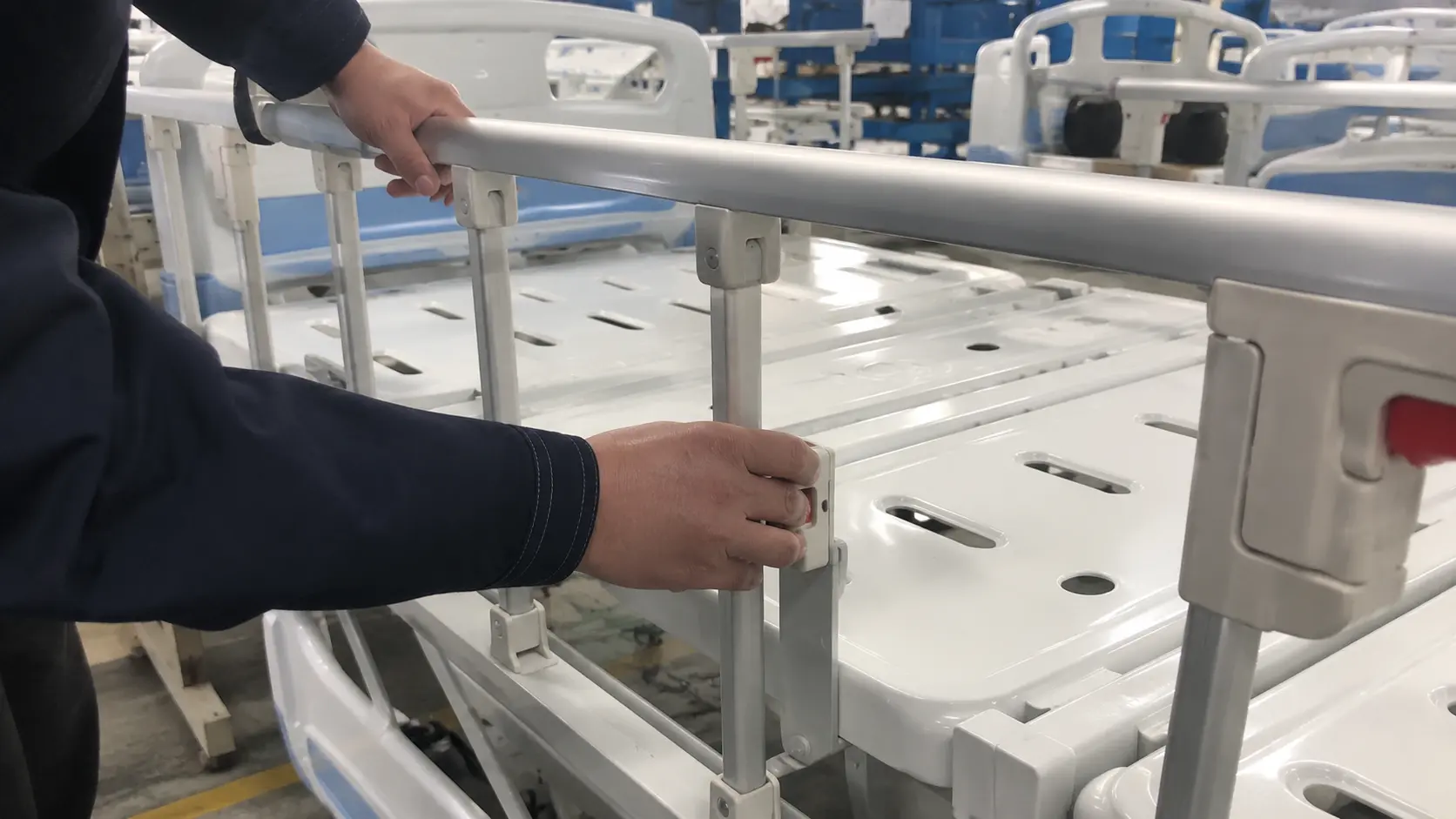
2-Crank, 3-Crank, 3-Function and 5-Function: What Buyers Should Know
When comparing electric vs manual hospital beds, buyers also need to compare functions. The function count affects cost, comfort, shipping, spare parts and long-term use.
| Bed Type | Common Functions | Typical Buyer Fit |
|---|---|---|
| 2-crank manual bed | Backrest and leg-rest adjustment. | Clinics, basic wards and budget orders. |
| 3-crank manual bed | Backrest, leg-rest and height adjustment. | Facilities needing more flexibility without motors. |
| 3-function electric bed | Usually backrest, leg-rest and height adjustment. | General wards, nursing homes and private clinics. |
| 5-function electric bed | Usually adds Trendelenburg and reverse Trendelenburg options. | Higher-spec wards, rehabilitation settings and more demanding patient care. |
Exact functions can vary by model, so always confirm the function list on the quotation and specification sheet.
Cost Comparison: Unit Price Is Not the Whole Story
Manual hospital beds usually cost less per unit. Electric hospital beds cost more because motors, controllers, handsets and wiring are included. However, unit price is not the only cost to compare.
Consider these cost factors:
- Unit price by bed model and function level.
- Accessory cost, such as mattress, IV pole, dining table and bedside cabinet.
- Spare parts cost for motors, handsets, rails and castors.
- Container loading quantity and freight cost per bed.
- Caregiver workload and daily operation efficiency.
- Maintenance skill required locally.
For distributors, it can be smart to keep both manual and electric models in the product range. Manual beds serve price-sensitive buyers, while electric beds serve hospitals and nursing homes that value comfort and efficiency.
Maintenance and Spare Parts
Maintenance is one of the biggest differences between electric and manual beds. Manual beds are mechanically simpler. Electric beds require attention to motors, handsets, cables and power compatibility.
| Maintenance Area | Electric Bed | Manual Bed |
|---|---|---|
| Daily operation | Check handset, movement and cable condition. | Check crank movement and mechanical parts. |
| Spare parts | Motors, handsets, control boxes and cables may be needed. | Cranks, rails, castors and boards are usually the main parts. |
| Local service skill | Needs basic electrical troubleshooting ability. | Usually easier for local maintenance teams. |
| Power issue risk | Voltage and plug type must be confirmed. | No power dependency for bed adjustment. |
Before ordering electric beds, ask the manufacturer whether spare motors, handsets and related parts can be supplied with the first shipment or ordered later.
Which Bed Type Fits Each Facility?
Most buyers should choose by room type, not by a single product label. A hospital may need electric beds in private wards and manual beds in general wards. A nursing home may prefer electric or nursing beds for caregiver efficiency. A clinic may prefer manual beds for basic use.
| Facility Type | Recommended Direction | Reason |
|---|---|---|
| Private hospital ward | Electric hospital bed | Comfort, convenience and upgraded patient experience matter. |
| Public general ward | Mixed electric and manual beds | Budget and care intensity vary by room type. |
| Clinic | Manual bed or basic electric bed | Depends on budget, patient flow and required functions. |
| Nursing home | Electric bed or nursing bed | Frequent care tasks make caregiver efficiency important. |
| Emergency stock | Manual hospital bed | Simple storage, lower cost and no power dependency. |
| ICU room | ICU bed | Standard electric or manual beds may not meet critical care needs. |
If the project includes critical care rooms, compare a dedicated ICU bed instead of only comparing electric and manual ward beds.
RFQ Checklist: What To Send Before Asking for Price
A clear RFQ helps suppliers recommend the right model and avoid quoting a bed that does not match your application.
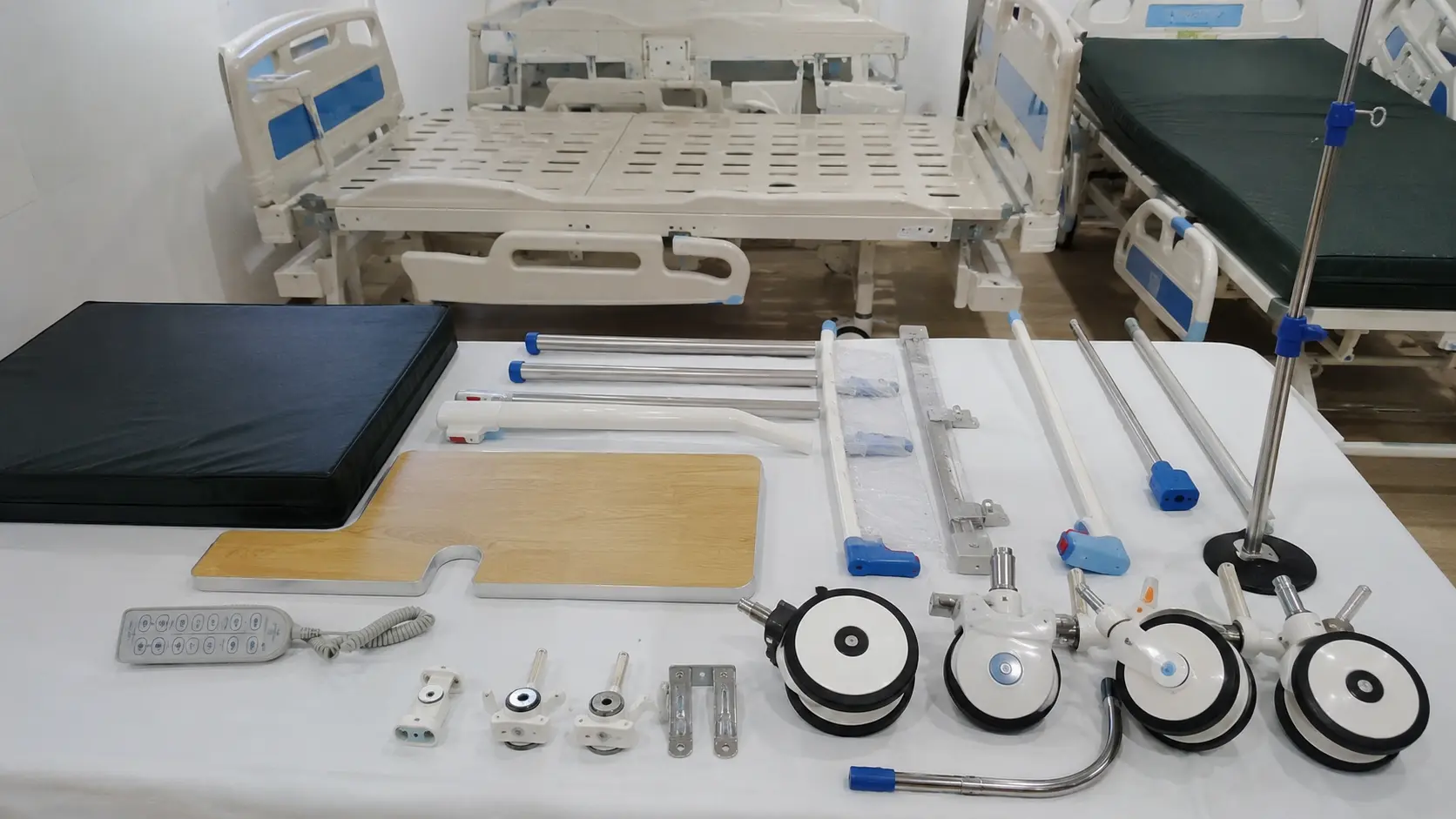
- Facility type: hospital, clinic, nursing home, rehabilitation center or distributor order.
- Required bed type: electric, manual, ICU, nursing or home care bed.
- Quantity for each bed type.
- Required functions: backrest, leg-rest, height adjustment, Trendelenburg or reverse Trendelenburg.
- Voltage and plug type for electric beds.
- Accessories: mattress, IV pole, dining table, overbed table, side rails and bedside cabinet.
- Destination country and destination port.
- Documentation requirements for import, tender or local registration support.
- Expected lead time and shipment plan.
Common Mistakes When Choosing Electric vs Manual Beds
Mistake 1: Choosing Only by Unit Price
Manual beds are usually cheaper, but an electric bed may reduce caregiver workload and improve patient comfort in the right setting. Compare total use value, not only purchase price.
Mistake 2: Buying Electric Beds Without Checking Voltage
Voltage and plug type should be confirmed before production. This is especially important for importers serving different markets.
Mistake 3: Using Manual Beds in Rooms That Need Frequent Adjustment
If staff must adjust beds many times per day, manual operation can become inefficient. Electric beds may be more practical for high-care rooms.
Mistake 4: Forgetting Spare Parts
Distributors and healthcare facilities should ask about spare motors, handsets, rails, castors and boards before confirming the order.
FAQ: Electric vs Manual Hospital Bed
Is an electric hospital bed better than a manual hospital bed?
Electric beds are better for comfort, frequent position changes and caregiver efficiency. Manual beds are better for lower budget, simpler maintenance and areas where power independence matters.
Which hospital bed is better for nursing homes?
Nursing homes often benefit from electric beds or nursing beds because caregivers adjust patient positions frequently. However, the final choice depends on budget, resident mobility and care routine.
Are manual hospital beds still useful?
Yes. Manual hospital beds are useful for clinics, basic wards, emergency stock and budget-focused projects. They are simpler to maintain and do not need electricity for adjustment.
What should importers check before buying electric beds?
Importers should check voltage, plug type, motor system, handset, spare parts, warranty terms, packing method and available documentation for the selected model.
Can I mix electric and manual beds in one order?
Yes. Many buyers combine electric and manual beds in one shipment to serve different room types and budget levels. A mixed order should include a clear quantity and configuration list for each model.
Next Step: Match the Bed Type to Your Facility
Haoshangjia Medical is a China hospital bed manufacturer and supplier for hospitals, nursing homes, clinics, rehabilitation centers and medical equipment distributors, supplying electric hospital beds, manual hospital beds, ICU beds, nursing beds and home care medical beds with export documentation and quotation support.
To compare models, review the electric hospital bed page, the manual hospital bed page, or request a hospital bed quote with your quantity, destination country, voltage, accessories and documentation requirements.